
Technical ceramic substrates are playing a key role in making automotive electronics more reliable. These substrates serve as the base for hybrid circuits used in modern vehicles. As cars become more advanced, the demand for stable and durable electronic components grows. Ceramic materials meet this need because they handle heat well and resist wear over time.

(Technical Ceramic Substrates for Hybrid Circuits Ensure Reliability in Automotive Electronics)
Automakers rely on hybrid circuits for critical systems like engine control units, sensors, and power management modules. These circuits must work without failure in harsh conditions. Temperature swings, vibration, and moisture are common in automotive environments. Standard circuit boards often cannot cope with these stresses. Technical ceramics offer a strong alternative. They stay stable under high heat and do not expand or shrink much with temperature changes.
Alumina and aluminum nitride are two common types of technical ceramics used in this field. Alumina is cost-effective and widely available. Aluminum nitride conducts heat better and suits high-performance applications. Both materials support fine circuit patterns needed for compact electronics. This helps carmakers fit more features into smaller spaces.
Manufacturers also benefit from the long life of ceramic-based circuits. Fewer failures mean lower warranty costs and higher customer satisfaction. Production processes for these substrates have improved, making them easier to integrate into existing assembly lines. Quality control remains strict to ensure every part meets automotive safety standards.
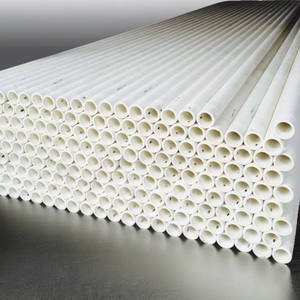
(Technical Ceramic Substrates for Hybrid Circuits Ensure Reliability in Automotive Electronics)
The use of technical ceramic substrates continues to grow as electric and hybrid vehicles gain market share. These vehicles place even greater demands on electronic systems. Reliable performance is not optional—it is essential. Ceramic substrates help meet that requirement by providing a solid foundation for the circuits that keep modern cars running smoothly.