
Ceramic matrix composite shrouds are now being used in industrial gas turbines to handle very high inlet temperatures. These new parts can run at temperatures over 1300°C without losing strength or shape. That is much hotter than what traditional metal shrouds can manage. The advance comes from a team of engineers who focused on improving turbine efficiency and durability.
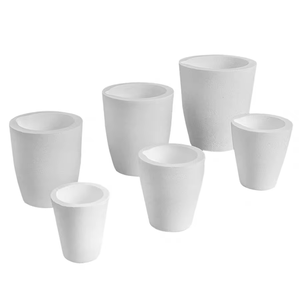
(Ceramic Matrix Composite Shrouds for Industrial Gas Turbines Withstand High Inlet Temperatures)
The shrouds are made from silicon carbide fibers locked in a ceramic base. This design gives them strong resistance to heat and wear. They also stay stable under constant stress and thermal cycling. Early tests show the parts last longer and need less maintenance than older models. This helps cut operating costs for power plants and other heavy industries.
Industrial gas turbines burn fuel to spin a generator and produce electricity. To get more power from the same amount of fuel, engineers raise the temperature inside the turbine. But that puts more stress on internal parts. Metal components often warp or crack under such conditions. Ceramic matrix composites solve this problem by staying solid at extreme heat levels.
Manufacturers say the new shrouds fit into existing turbine designs with few changes. That makes upgrades easier and faster. Plants can boost performance without replacing entire systems. Field trials in several countries have confirmed the shrouds work well in real-world settings. Users report fewer shutdowns and better output stability.
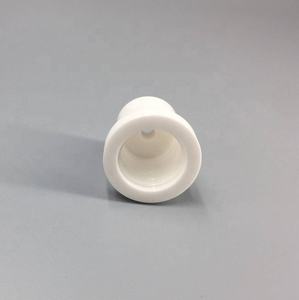
(Ceramic Matrix Composite Shrouds for Industrial Gas Turbines Withstand High Inlet Temperatures)
The development marks a big step in materials science for energy systems. It shows how advanced ceramics can meet tough demands in industrial applications. Companies plan to roll out the shrouds widely in the next year. Demand is already growing from operators looking to improve efficiency and reduce emissions.