
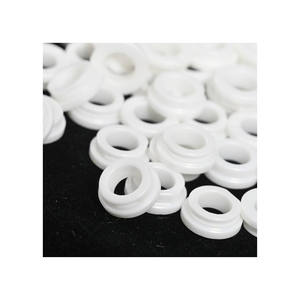
Scientists have developed a new type of boron nitride ceramic crucible designed specifically for melting radioactive materials during waste vitrification studies. These crucibles offer high thermal stability and resist chemical reactions even under extreme temperatures. This makes them ideal for handling molten glass used to immobilize nuclear waste.
(Boron Nitride Ceramic Crucibles for Melting Radioactive Materials for Waste Vitrification Studies)
Traditional containers often degrade or contaminate samples when exposed to highly corrosive radioactive melts. Boron nitride ceramics solve this problem. They maintain structural integrity and purity throughout the melting process. Researchers at national laboratories tested these crucibles in simulated vitrification environments. The results showed minimal interaction between the crucible material and the molten glass.
The crucibles are made using advanced manufacturing techniques that ensure uniform density and smooth surfaces. This reduces the risk of cracks or leaks during high-temperature operations. Their non-wetting properties also help prevent residue buildup, which simplifies cleanup and reuse.
Safety is a top priority in nuclear waste treatment. Using reliable containment tools like these boron nitride crucibles helps protect both personnel and the environment. They allow scientists to study glass formation more accurately without interference from container materials.
This innovation supports ongoing efforts to improve the long-term storage of radioactive waste. Stable, durable containers are essential for turning liquid waste into solid glass logs that can be safely stored underground. The new crucibles provide a cleaner, more consistent platform for these critical experiments.
(Boron Nitride Ceramic Crucibles for Melting Radioactive Materials for Waste Vitrification Studies)
Work continues to refine the design and scale up production. Early feedback from research teams has been positive. They note improved data quality and fewer experimental interruptions due to equipment failure.