
Scientists have developed a new thermal management solution for high-power klystron tubes used in particle accelerators. The key component is a ceramic plate made from boron nitride. This material handles extreme heat better than traditional options. It also spreads heat evenly across its surface. That helps keep the klystron tube stable during long operations.

(Boron Nitride Ceramic Plates for Thermal Management in High Power Klystron Tubes for Particle Accelerators)
Klystron tubes are critical in particle accelerators. They generate the microwave energy needed to accelerate particles. These tubes produce a lot of heat. If the heat is not managed well, performance drops and parts can fail. Boron nitride ceramic plates solve this problem. They stay strong at high temperatures. They do not crack or warp under stress.
The new plates are lightweight and electrically insulating. This makes them safe to use near sensitive electronics. They also resist chemical corrosion. That means they last longer in harsh environments. Researchers tested the plates in real accelerator conditions. The results showed improved cooling and longer tube life.
This innovation comes at a time when particle physics demands more powerful and reliable systems. Existing cooling methods often fall short. They add weight or need complex support systems. Boron nitride plates simplify the design. They cut down on maintenance needs. Labs running large accelerators may see big benefits.
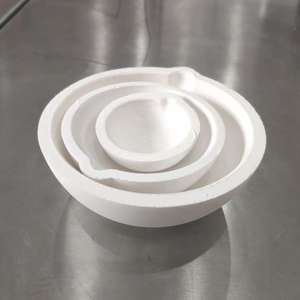
(Boron Nitride Ceramic Plates for Thermal Management in High Power Klystron Tubes for Particle Accelerators)
Manufacturers are now working to scale up production. The goal is to make these plates available for global research facilities. Early adopters report fewer shutdowns and better beam stability. The technology could also help in other high-heat applications like radar systems and satellite communications.